Optimal Timing for Wood Repairs
Choosing the optimal time for wood repairs is essential to ensure proper curing, adhesion, and longevity of repairs. Weather conditions, humidity levels, and temperature influence the effectiveness of repair work on wooden structures. Typically, dry and mild weather provides the best environment for performing wood repairs, preventing issues such as warping, cracking, or improper drying.
Spring and early fall are generally considered optimal seasons due to moderate temperatures and lower humidity, which facilitate better adhesion and drying.
Avoid performing repairs during extreme heat, cold, or high humidity, as these conditions can impair the curing process and compromise the quality of the repair.
Temperatures between 50°F and 85°F (10°C to 29°C) are ideal for most wood repair products, ensuring proper setting and bonding.
Low to moderate humidity levels help prevent wood swelling or shrinkage, which can affect the adhesion of repair materials.
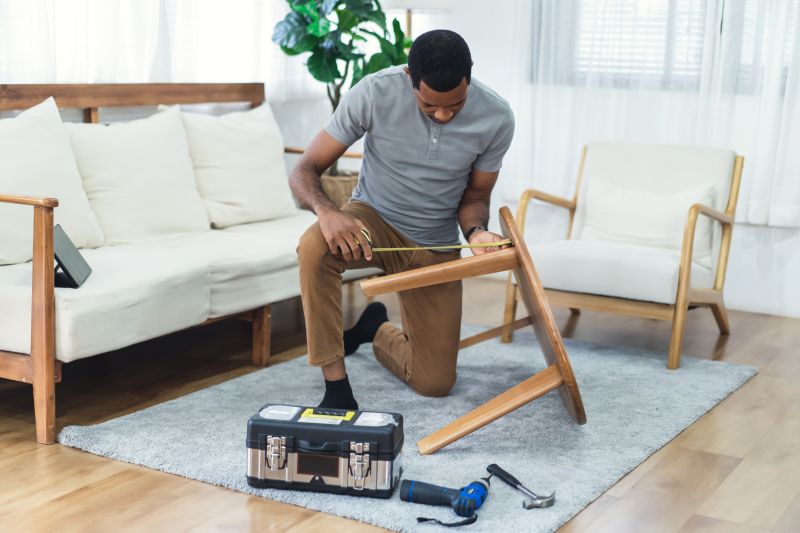
Ways to make Wood Repairs work in tight or awkward layouts.
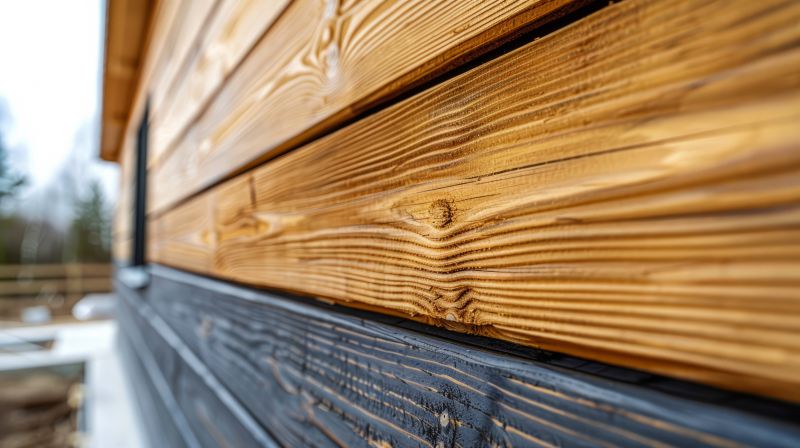
Popular materials for Wood Repairs and why they hold up over time.
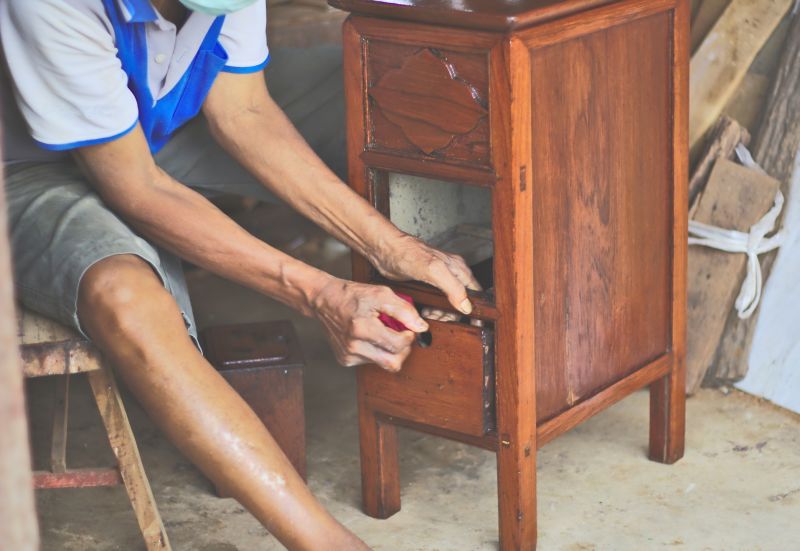
Simple add-ons that improve Wood Repairs without blowing the budget.
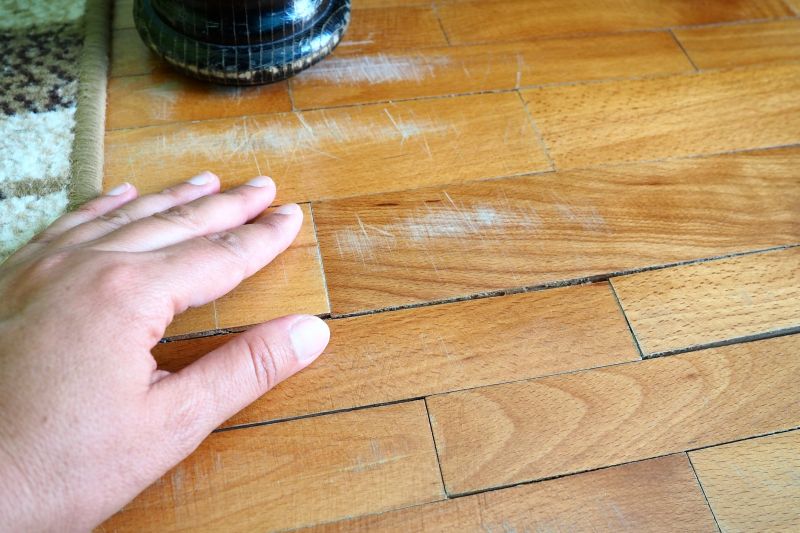
High-end options that actually feel worth it for Wood Repairs.
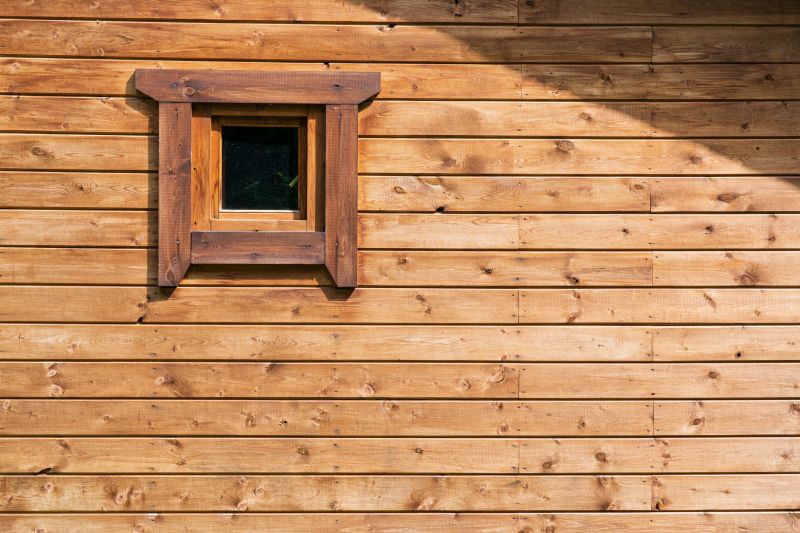
Finishes and colors that play nicely with Wood Repairs.
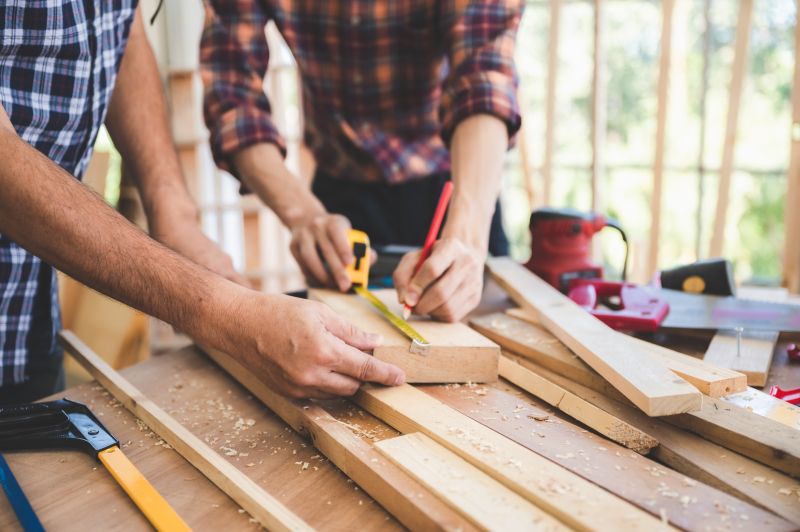
Little measurements that prevent headaches on Wood Repairs day.
| Season | Optimal Conditions |
|---|---|
| Spring | Moderate temperatures, low humidity |
| Summer | Warm temperatures, moderate humidity |
| Fall | Cooler temperatures, low humidity |
| Winter | Cold temperatures, high humidity, not recommended |
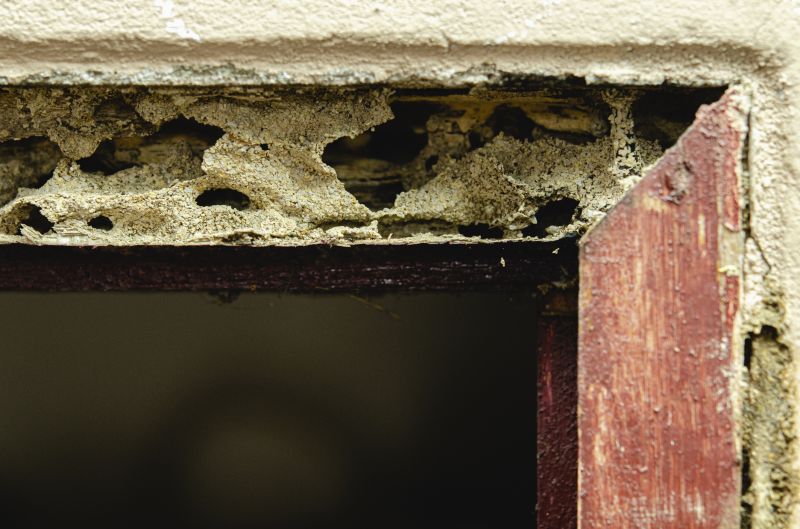
Wood repairs involve addressing issues such as rot, cracks, and surface damage. Proper timing ensures that repair materials bond effectively and cure correctly, resulting in longer-lasting results. Weather conditions influence the success of repairs; moisture levels and temperature fluctuations can cause wood to expand, contract, or warp if repairs are performed at unsuitable times. Understanding seasonal patterns helps in planning maintenance and ensuring the structural health of wooden structures.
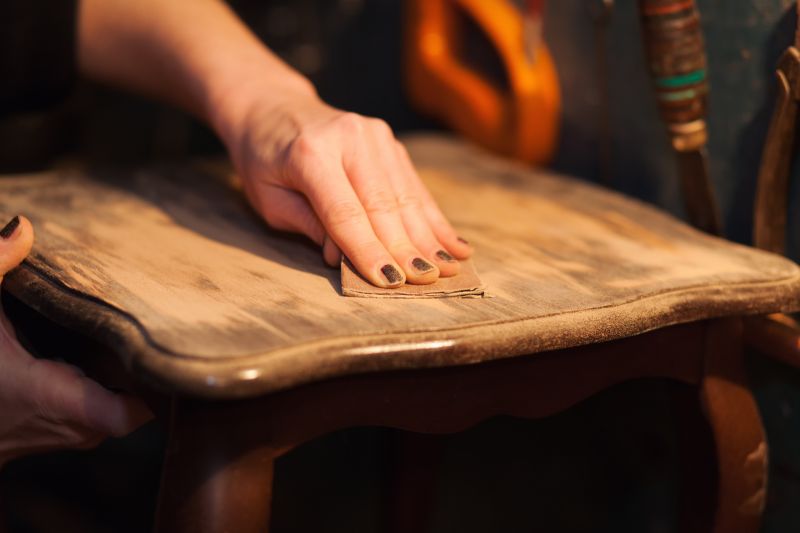
A 60-second routine that keeps Wood Repairs looking new.
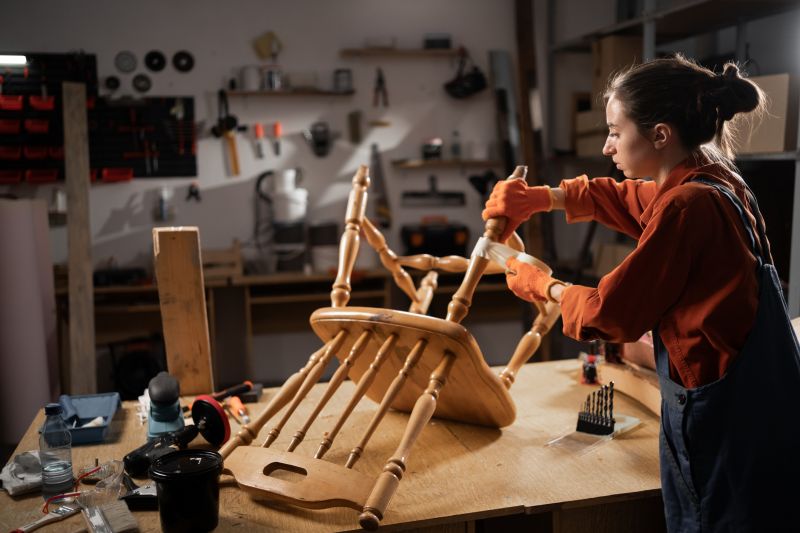
A frequent mistake in Wood Repairs and how to dodge it.
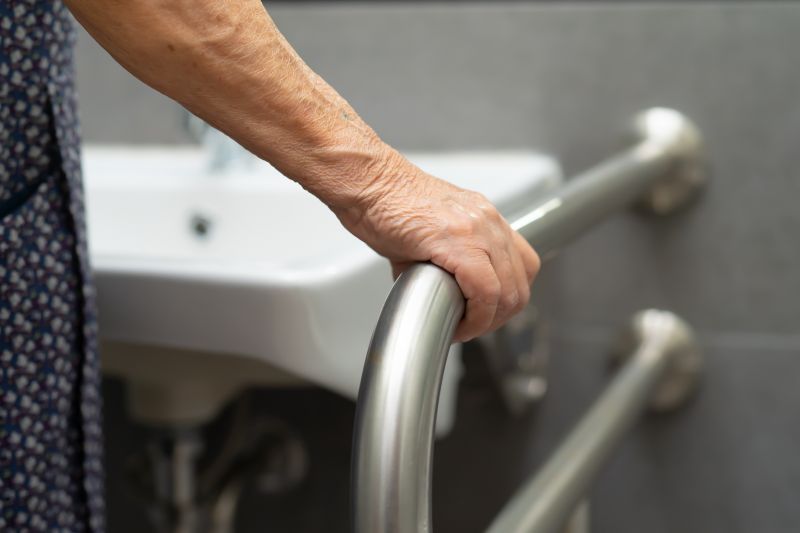
Small tweaks to make Wood Repairs safer and easier to use.

Lower-waste or water-saving choices for Wood Repairs.
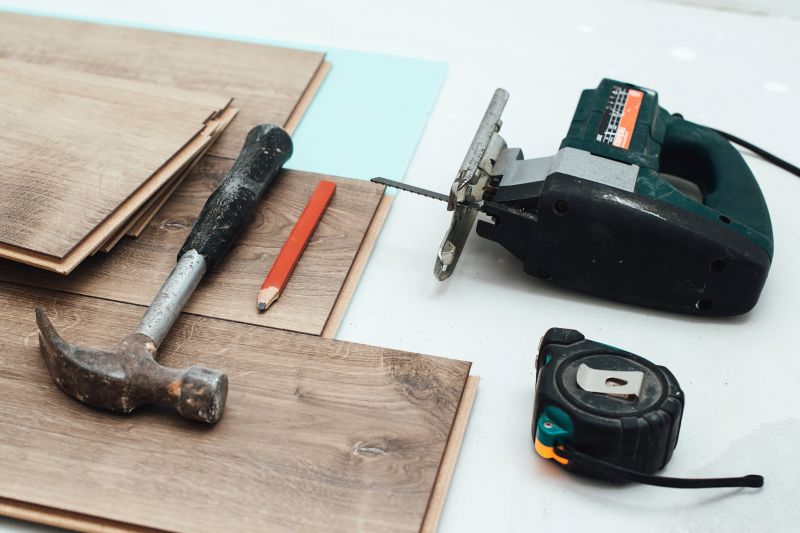
The short, realistic tool list for quality Wood Repairs.
Rough timing from prep to clean-up for Wood Repairs.
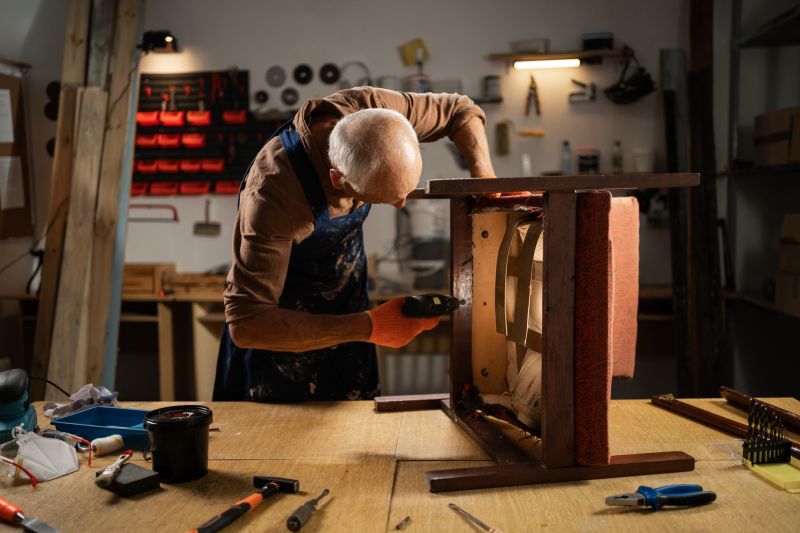
Quick checks and paperwork to keep after Wood Repairs.
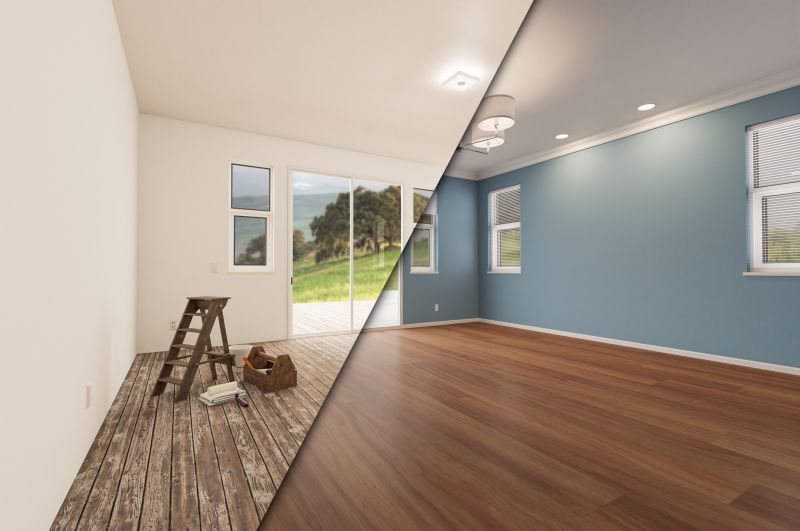
Examples that show the impact a good Wood Repairs can make.
Timely wood repairs help maintain the aesthetic appeal and structural integrity of wooden surfaces. Regular inspection and understanding of seasonal weather patterns enable effective planning for repairs. Properly timed repairs can prevent minor issues from escalating into costly structural problems, ensuring the longevity of wooden elements in residential and commercial properties.
Interested in scheduling wood repairs? Fill out the contact form to get started on maintaining the durability and appearance of wooden structures.